Malyi Bukryn. The old cemetery and the grave of Andrii Mohyla. The hetman?

· 4 min read
Malyi Bukryn now has about 200 inhabitants, although in the middle of the 19th century almost 700 people lived here. In the 18th century Malyi Bukryn belonged to Poniatowski, a nephew of the king, and in the 19th to the Yachevsky family. The village’s population fell sharply during the bloody battle for the Bukryn bridgehead in September 1943 and after the filling of the Kaniv Reservoir.
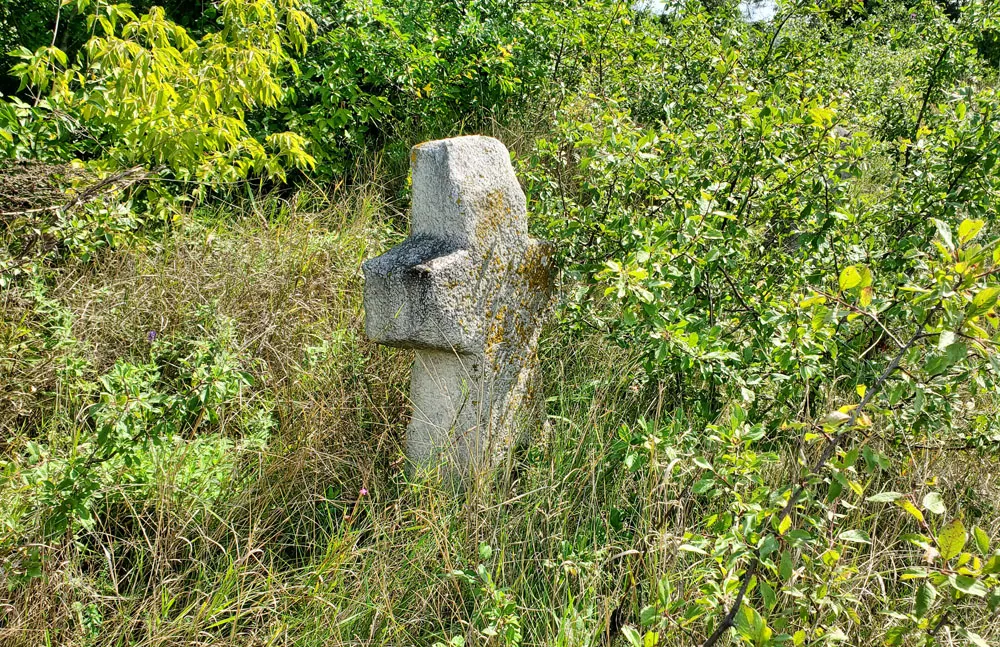
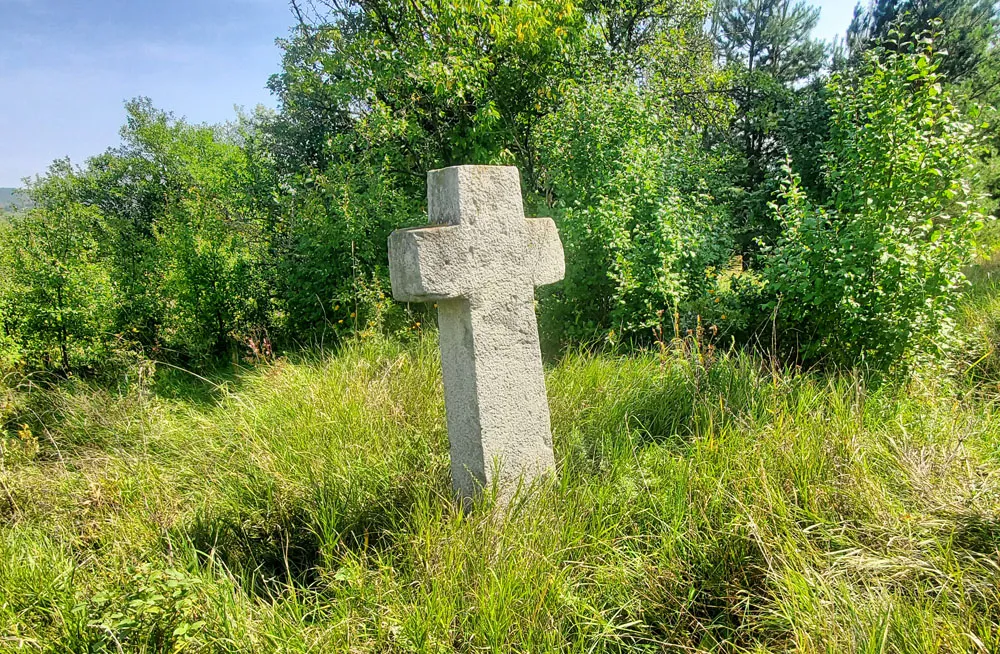
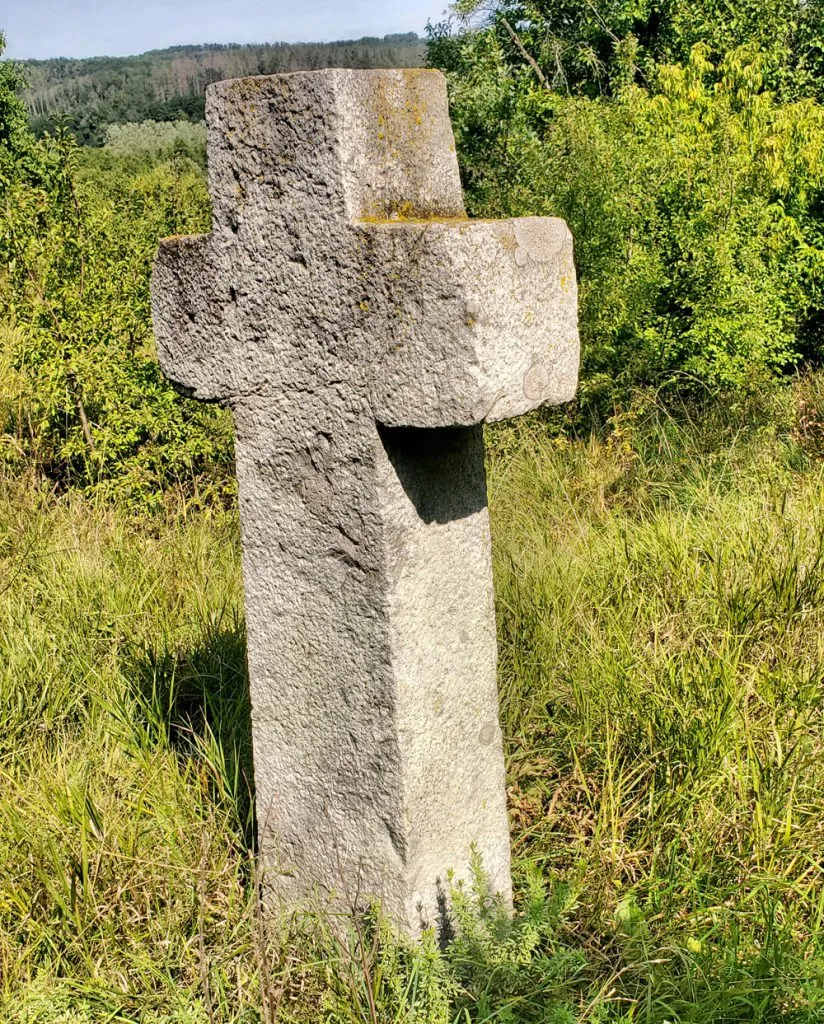
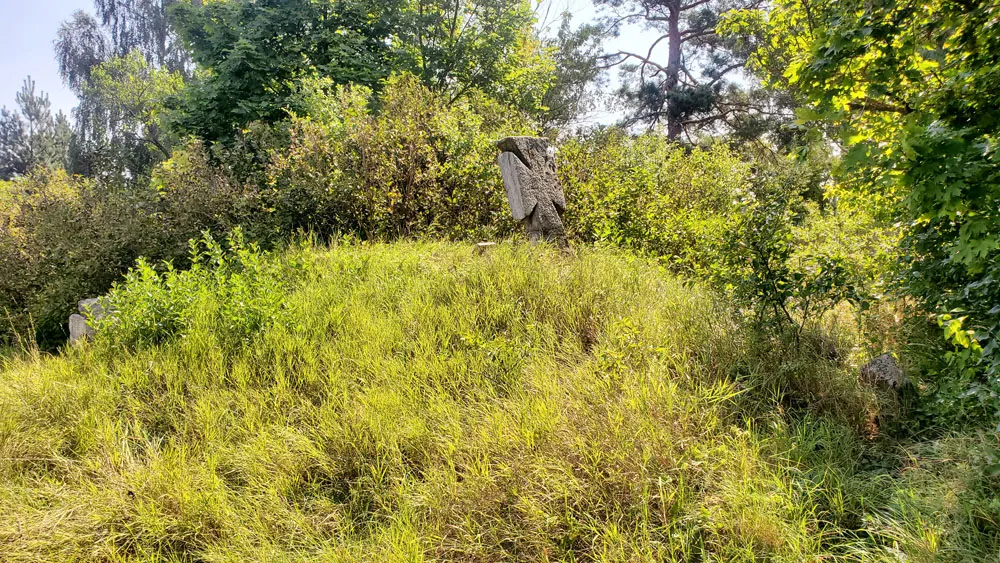
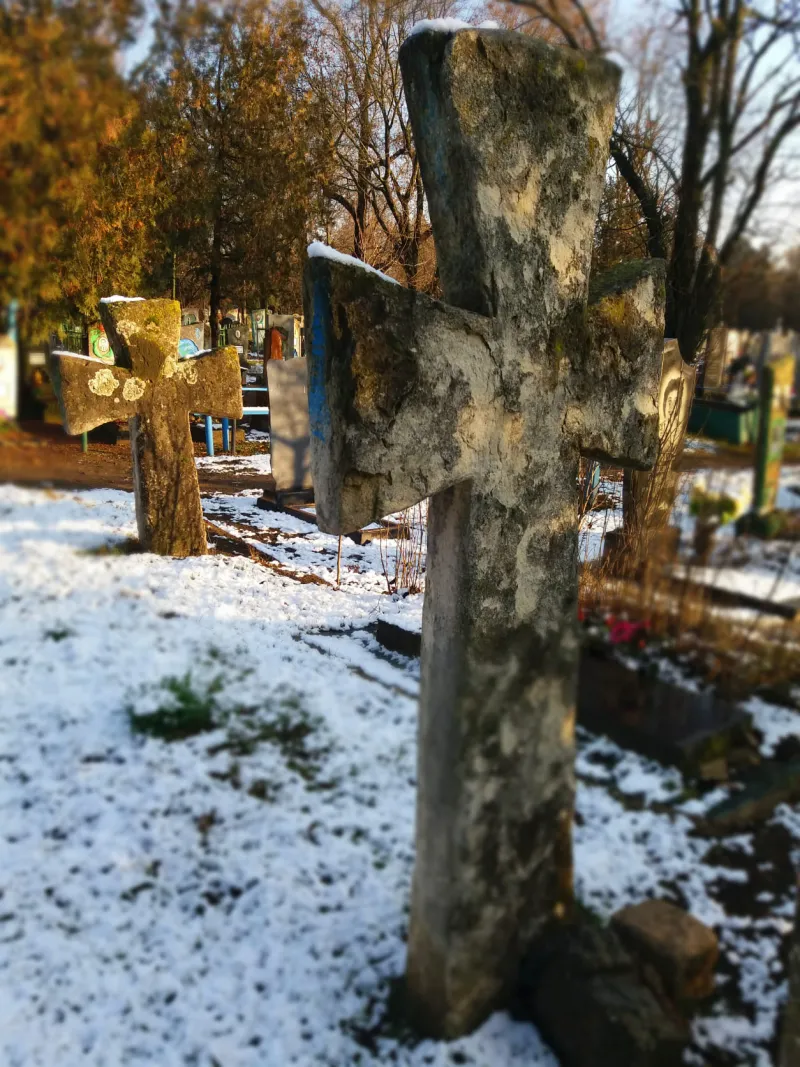
In Malyi Bukryn, on the Trakhtemyriv Peninsula, a 17th-century stone cross stands in the old cemetery. It is on a burial mound. The mound indicates that this is the burial of a representative of the Cossack officer elite. A plaque says that it is the grave of Andrii Mohyla. The hetman. And his name has survived on the cross itself.
Wikipedia says that the Right-Bank hetman of the Zaporozhian Host Andrii Mohyla died and was buried in the Mezhyhiria Monastery, while some sources give Trakhtemyriv as the place of death. Both monasteries were patronal monasteries for the Right-Bank Cossacks. This needs sorting out, because Malyi Bukryn is located next to Trakhtemyriv, which is now flooded.
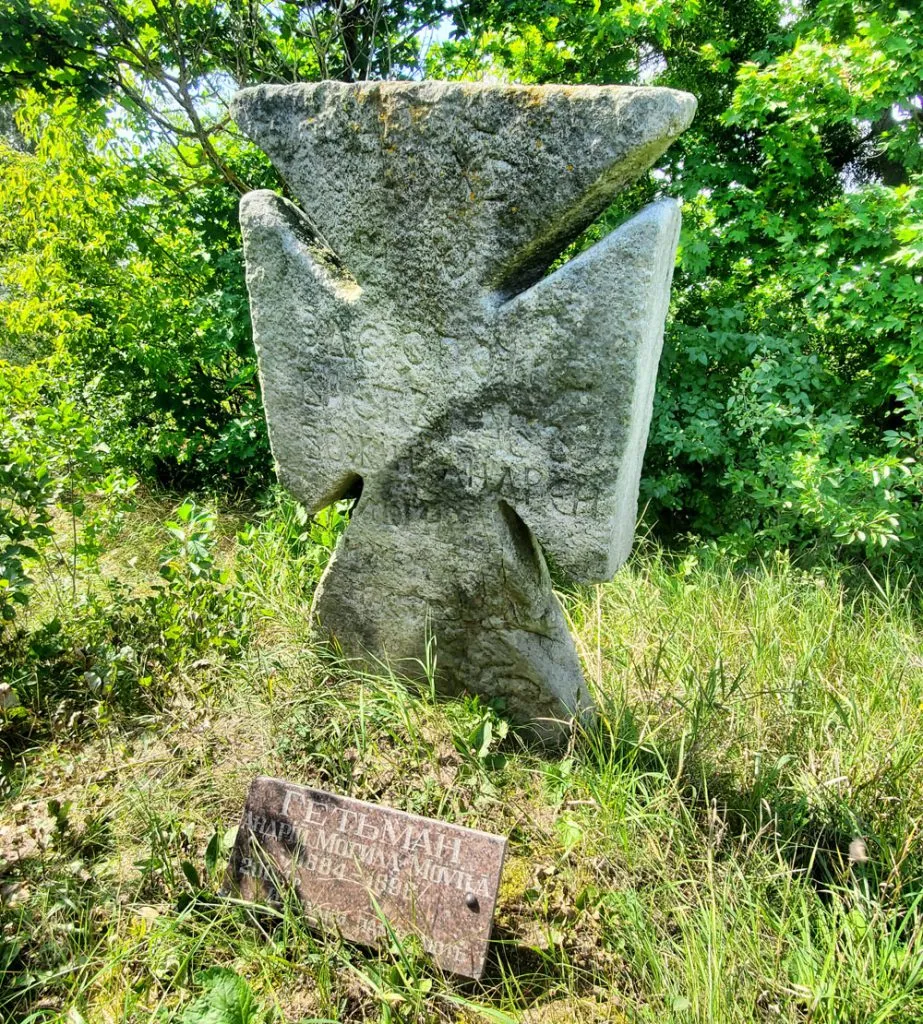
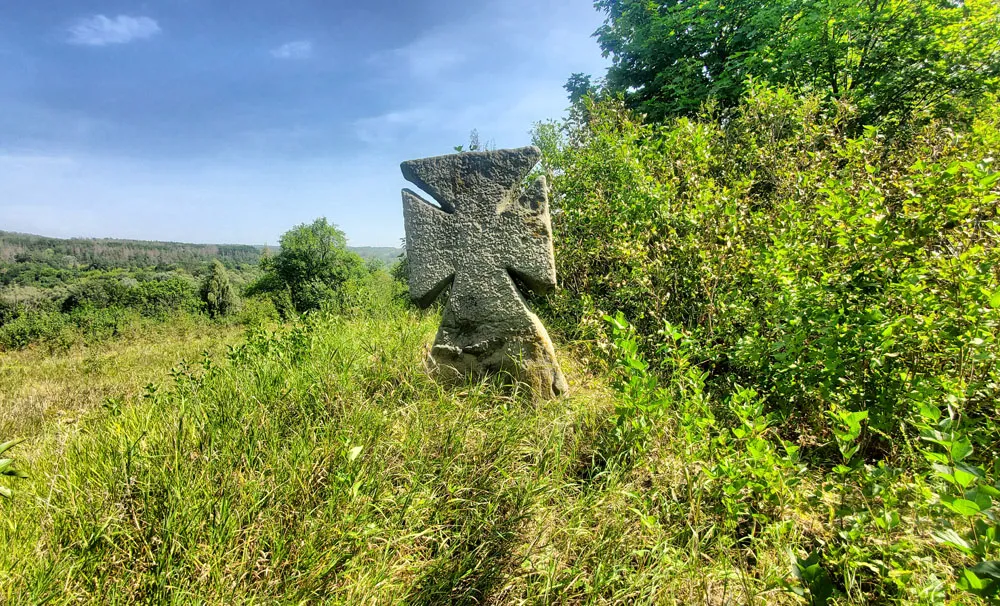
Grave of Andrii Mohyla
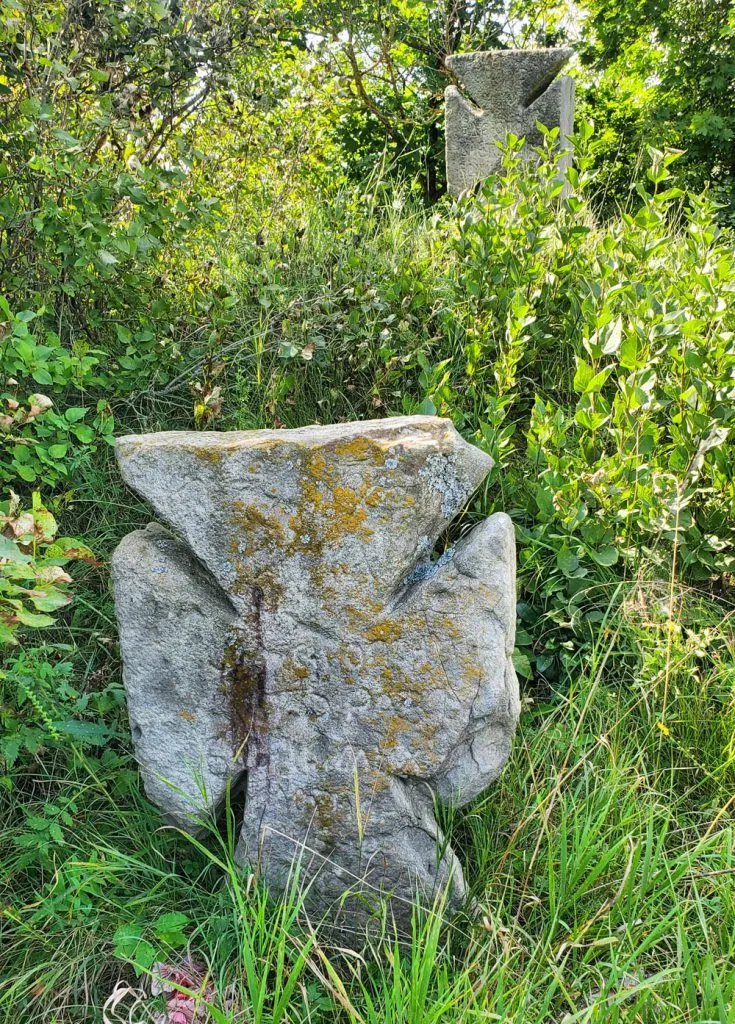
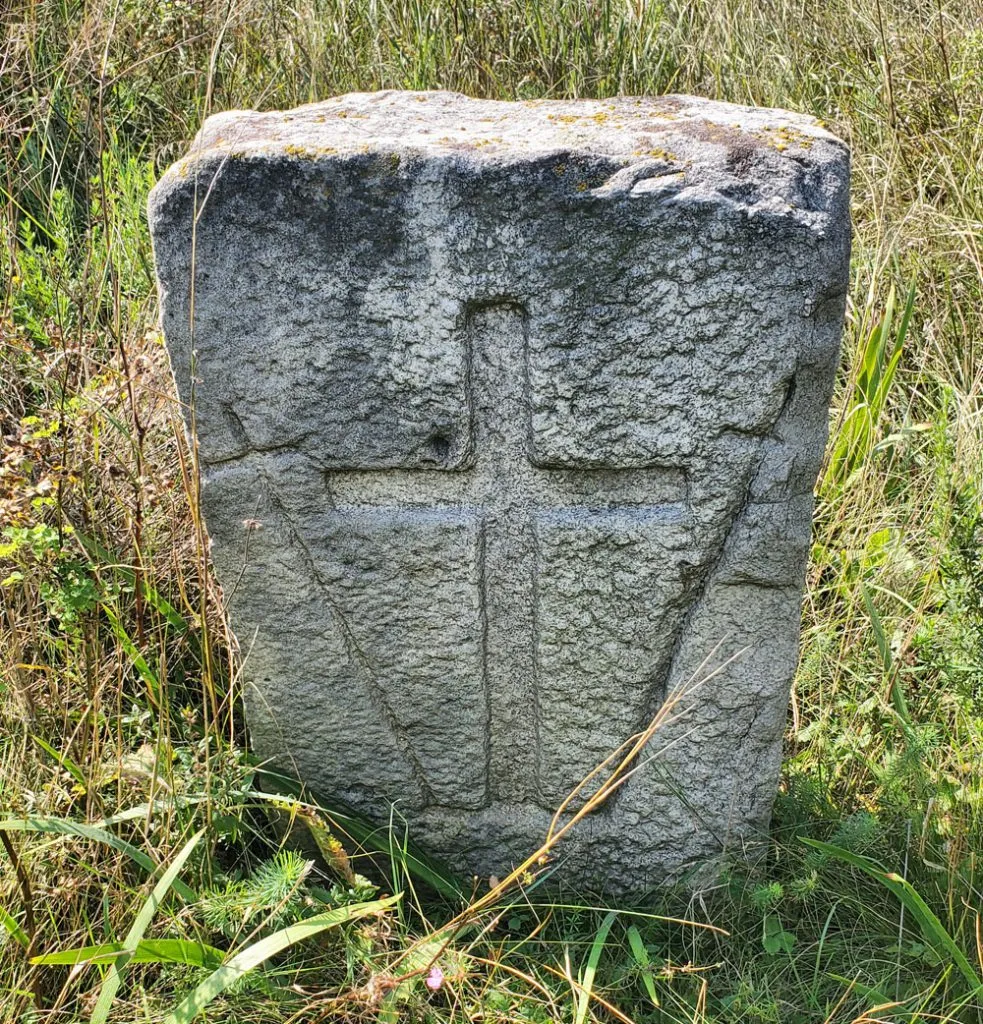
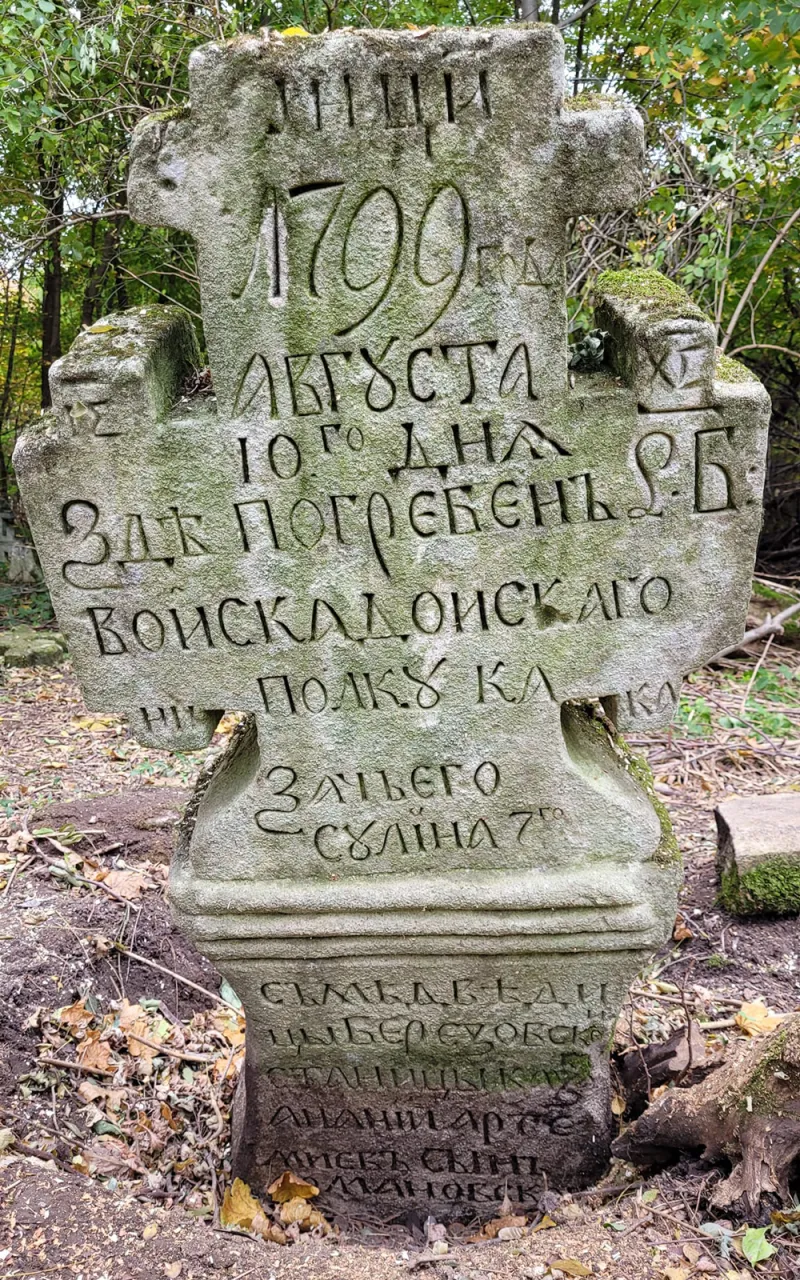
The probable grave of Anastasia, Andrii’s wife
Andrii Mohyla ruled the Cossack state for five years. He was a protégé and ally of the Poles, distinguished himself in many battles against the Ottomans, and secured the restoration of the Right-Bank Cossack regiments. He also led a successful revolt against his predecessor, Stefan Kunytskyi. Cossack chroniclers praise the hetman, and it is strange that he is little known. If his grave really is in Malyi Bukryn, then this is a remarkable place for Ukrainians. It ought to be. Incidentally, Wikipedia describes the life and activity of Andrii Mohyla in considerable detail.
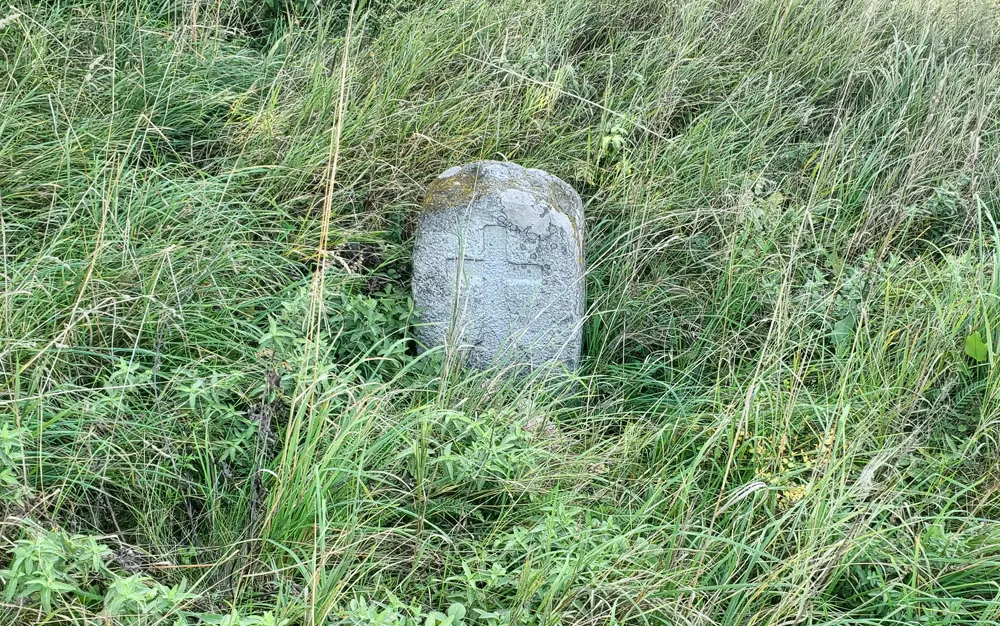
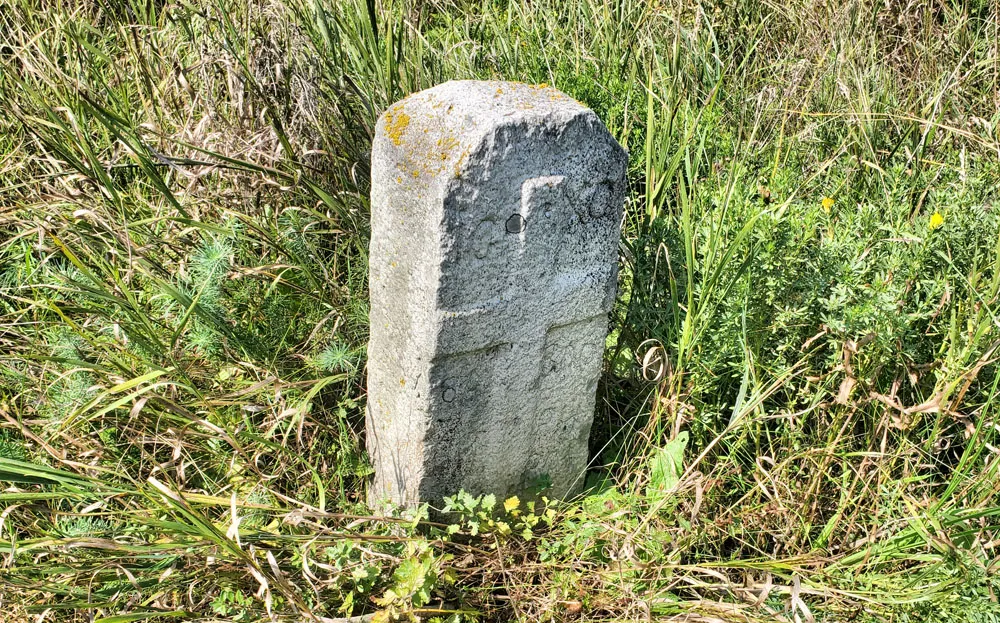
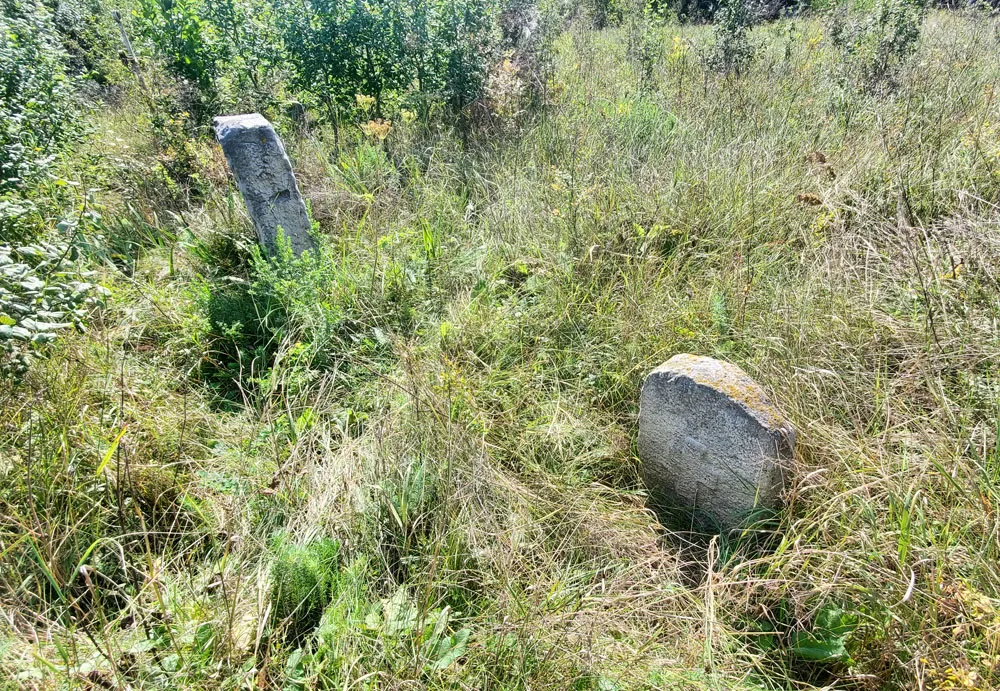
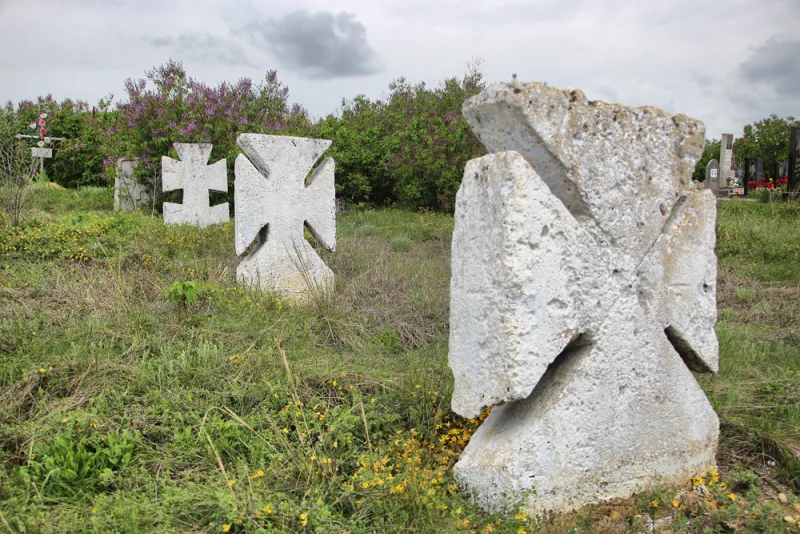
The old cemetery of Malyi Bukryn also has other ancient stone crosses and gravestones.
P.S. Information has recently appeared that it is not the hetman who is buried in Malyi Bukryn, but his grandson, also named Andrii Mohyla.
Text and photos by Roman Malenkov
And here is what Volodymyr Nediak wrote to us in the comments:
I tracked down the large stone Maltese cross of limestone (as I recall) on a tip from Mr. Taras Vasylovych Chukhlib, comrade Cossack colonel, then still a Candidate of Sciences in History, God grant good health to him and his good horse. He had heard that one of the Cossacks had seen it in the old cemetery before Mal. Bukryn, on the way to Trakhtemyriv.
It was deep, wet autumn. A fine cold rain was falling. I filled the tank of my “Beemer” with fuel, took my camera equipment and companions, and raced off to the Cossack land. I found the place quickly. It was as if it just fell into my hands. Despite the drizzle, I photographed everything quickly and in good spirits. The cemetery was very old, abandoned but not sad. Despite the autumn and the tears of the rain, the joy of the find filled the seeker’s soul.
Two graves with Maltese crosses were side by side. One was that of the hetman’s wife Anastasia (there was an inscription on the cross). And another cross lay nearby, but intact. Tomorrow I will look at the photographs in the publication “Ukraine the Cossack State” and check… That was the end of 2001, was it?
Before the trip, I obtained permission from the director general, Slonevskyi, to visit the private reserve “Trakhtemyriv”.
But to get into the reserve and see the Cossack cemetery where the Cossack Mukha is buried, there were locked metal “barriers” on all the roads! We had not been warned about this…)), and around the roads, under the tree belts, metre-deep ditches had been dug so that no one could drive through by car. But this is not that kind of case.
I cut down six acacias in the tree belt and laid bridges for myself across the ditches under the car’s wheels. And that is how I moved around the Trakhtemyriv reserve. Once I slipped with the rear axle into a ditch and tore off the car’s bumper, but I dug the ditch out and drove away.) I photographed these incidents too. Any Cossack who lives or lived there in those times knew about this and can confirm that getting by vehicle into this ancient Cossack place, to the “lands of Bokai”, was strictly forbidden!
That is how the grave of Hetman Andrii Mohyla and his wife, “wife Anastasia” (inscription), was found and photographed for the first time. Something like that is how it was.
Why my hypothetical view is that this is the grave of Hetman Mohyla: because the lands of Trakhtemyriv belonged to the Polish king, while the legendary Cossack Mezhyhiria Monastery was endowed by the Zaporozhian Sich.
But if Cossack scholars prove scientifically and theoretically that the grave of Hetman Andrii Mohyla was in the monastery (which does not exist in present-day reality!), then we will again lose truly significant hetman artefacts and one more real hetman burial!((…