Poland. Smilnyk (Smolnik). A Boyko church listed by UNESCO

· 2 min read
In the very south-eastern corner of Poland, a kilometre from the Ukrainian border, lies the small village of Smilnyk (Smolnik). In the past it was a Ukrainian village settled by Lemkos – in 1939, of its 800 inhabitants, 630 were Ukrainians and another 100 were Jews. But during Operation Vistula almost all the Ukrainians were deported. Later some of them returned – when we were in Smilnyk, they even tried to sell us “genuine” Lemko cheese, 150 zloty a piece – as if it were made of gold. For some reason the Lemkos decided we were “suckers”… Today the village has only 180 inhabitants. How many of them are Lemkos is hard to say.
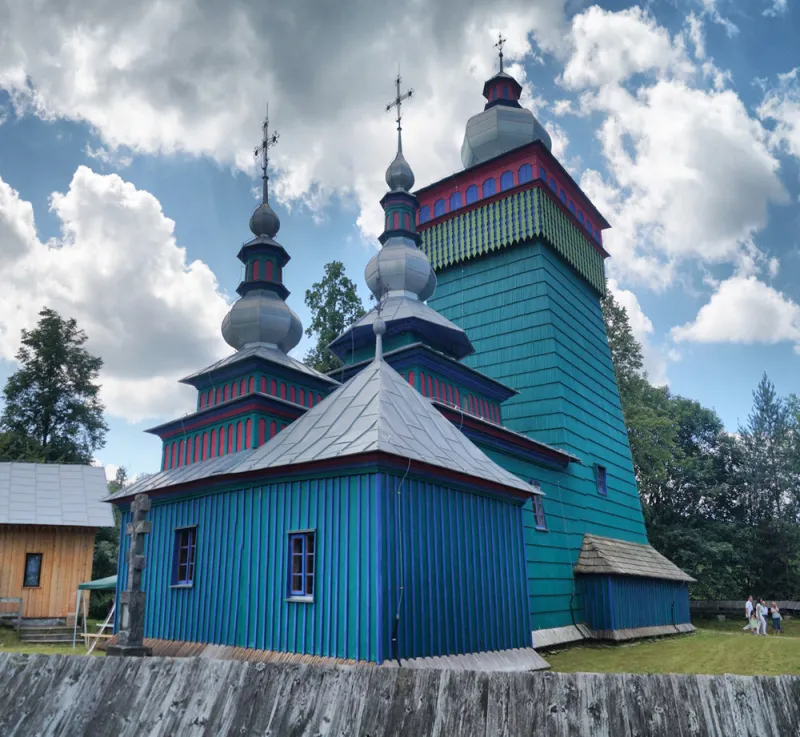
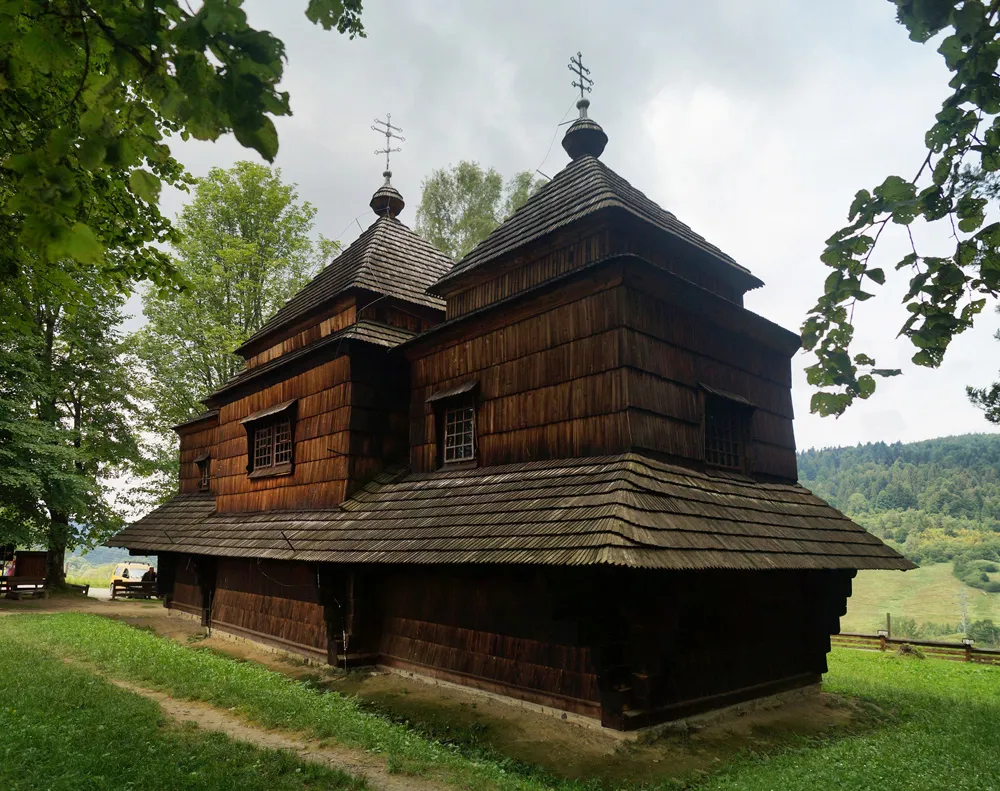
Smilnyk has a church that is a UNESCO World Heritage Site – the wooden St. Michael Church. It was built in 1791 and was already the fourth on this spot – the two earlier ones were burned by the Tatars.
From its construction the church was Greek Catholic. In 1921 a major renovation was carried out, during which the shingle roof was replaced with sheet metal. It was brought back only in the 21st century.
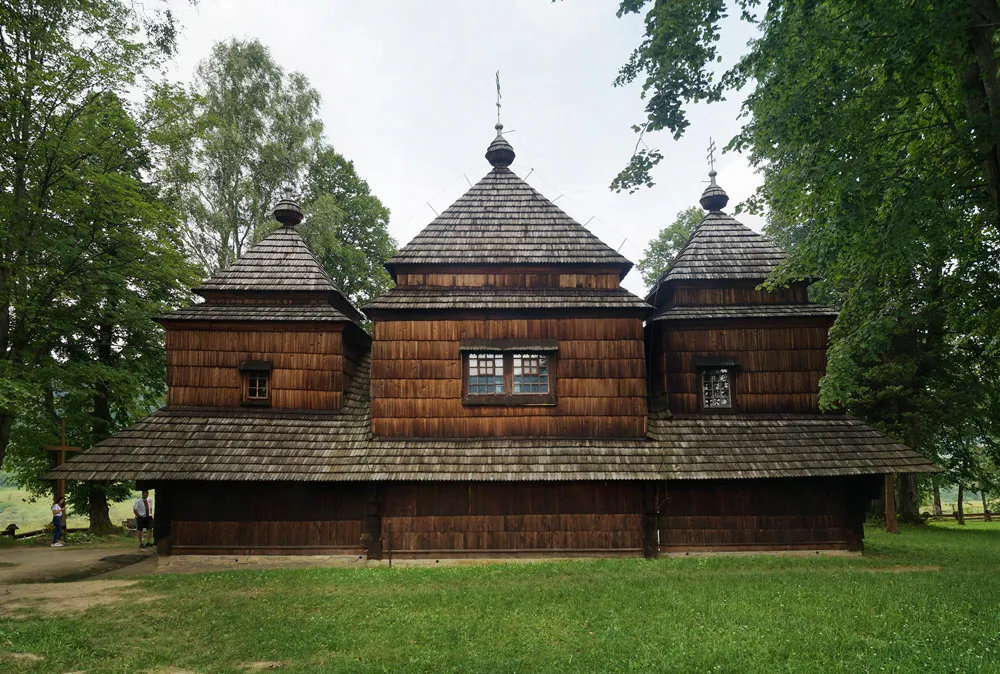
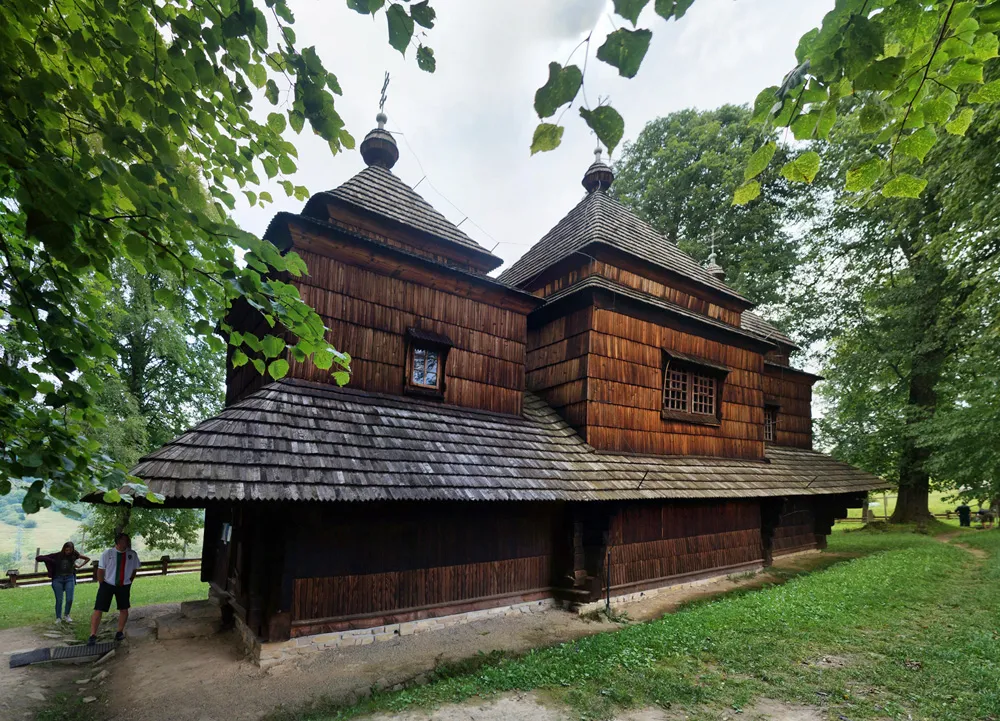
Until 1951 Smilnyk was part of the Drohobych Oblast of the Ukrainian SSR. After it was transferred to Poland, the Greek Catholics were deported, and the church was looted and turned into a warehouse. Repair work began in 1969. At the same time the church was entered in the register of monuments. And in 1973, at the request of the Minister of Culture, it was placed under the Roman Catholic diocese. Since then it has been a Roman Catholic church.
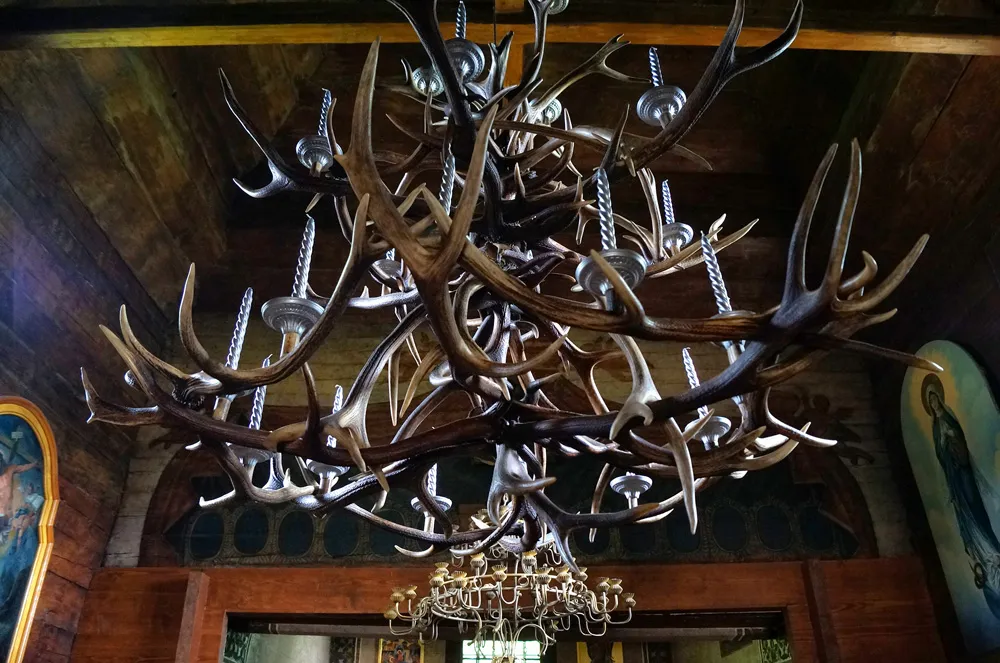
St. Michael Church is of the Boyko type, although it was built in the Lemko region. The master builders were probably invited from the Boyko region. Outwardly the church has been preserved perfectly, although little has survived inside. In the Bieszczady it is the only church of the Boyko type, and in Poland there are only three of them.
And in 2013 it, together with 15 other churches in Ukraine and Poland, was inscribed on the UNESCO World Heritage List under the collective name Wooden Tserkvas of the Carpathian Region. These are churches in Ukraine in Potelych, Matkiv, Zhovkva, Drohobych, Rohatyn, Nyzhnii Verbizh, Yasinia, Uzhok; and in Poland in Chotyniec, Owczary, Turzańsk, Kwiatoń, Brunary, Radruż and Powroźnik.
Text and photos by Roman Malenkov.