Poland. Szczytno. Looking for the pofajdoks

· 2 min read
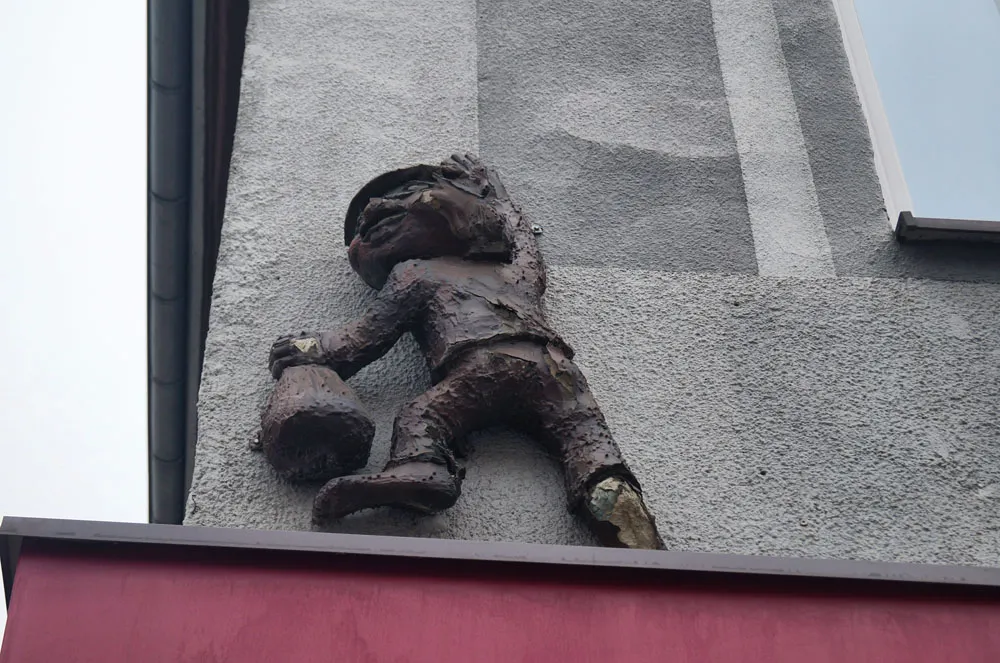
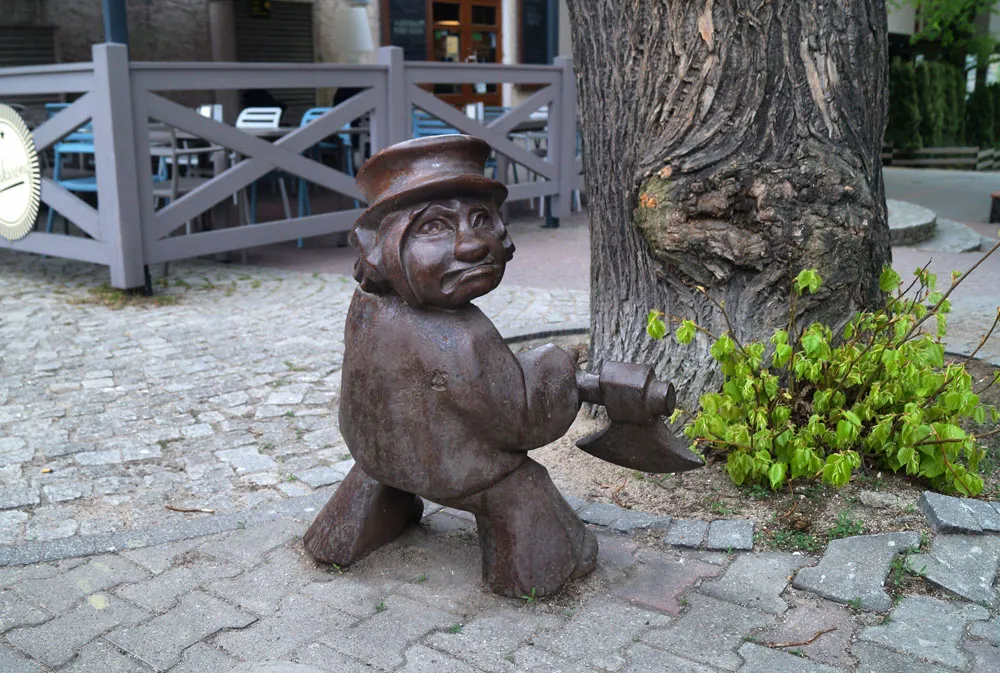
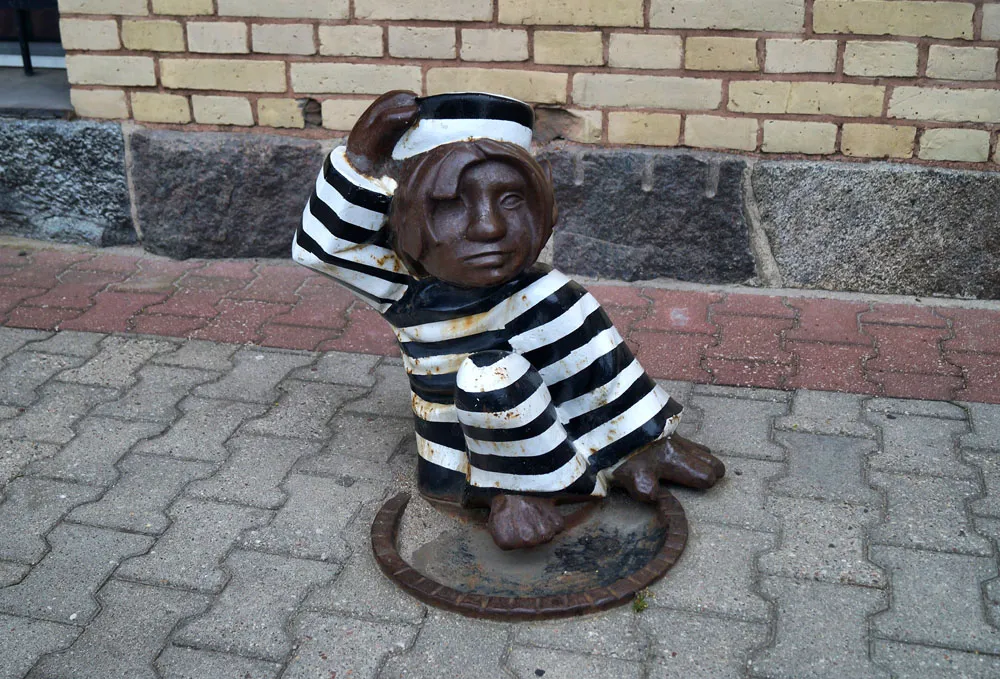
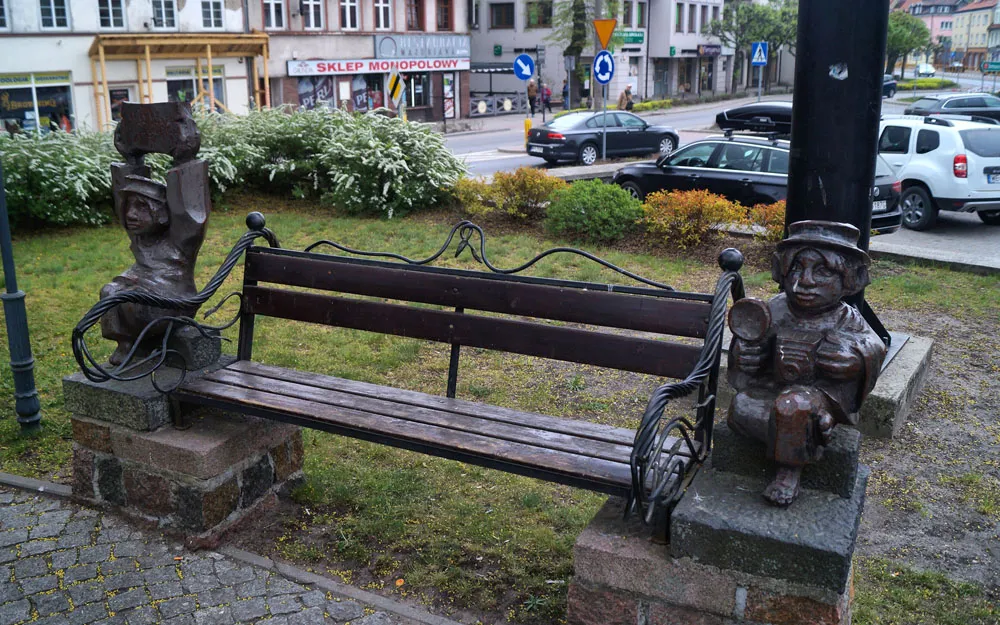
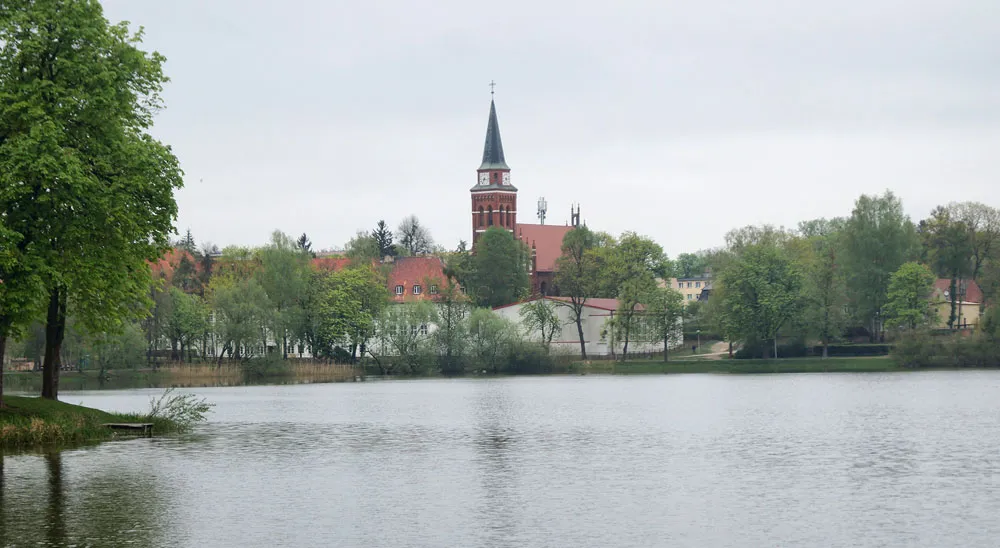
Wrocław has its dwarfs, which everyone hunts for, while in Szczytno, a small town (23,000 inhabitants) in the Warmian-Masurian Voivodeship, people look for pofajdoks. A pofajdok is a kind of eternal bachelor, a jester, irresponsible, with immature views on life. In 2019 there were thirteen pofajdok figurines in Szczytno. Whether more were added during the quarantine is anyone’s guess. Though the town is interesting even without the figurines, since it has some old German buildings, the remains of a Teutonic castle, a town hall and churches: there is plenty to see.
Until 1945 the town was called Ortelsburg. From 1525 it was part of Prussia, and in the interwar period of Germany. Although, unlike most Prussian lands, in Szczytno county Poles almost always made up the majority of the population. In the 19th century they were 75% of it here, so the Polish name Szczytno was never alien.
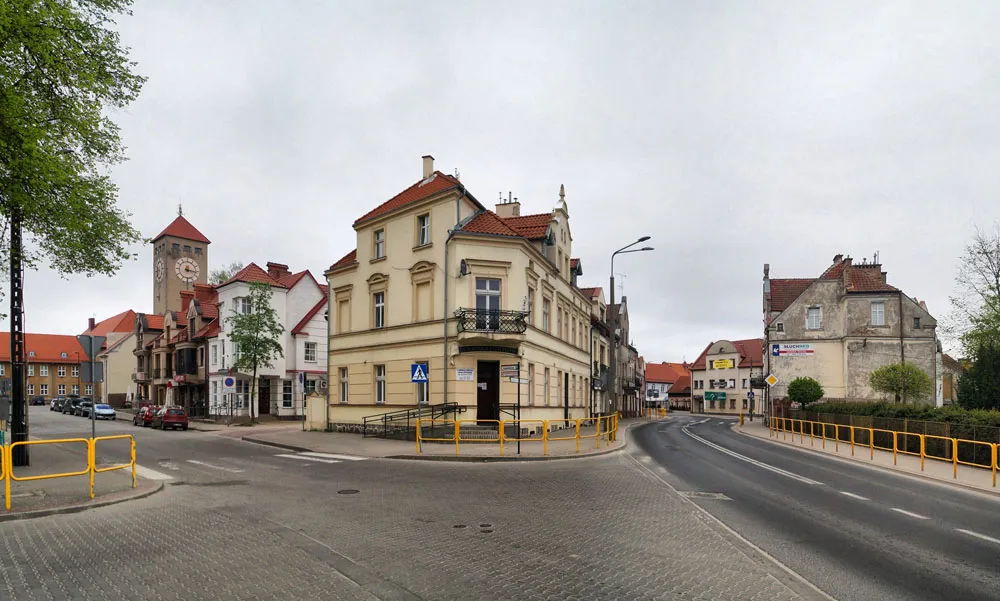
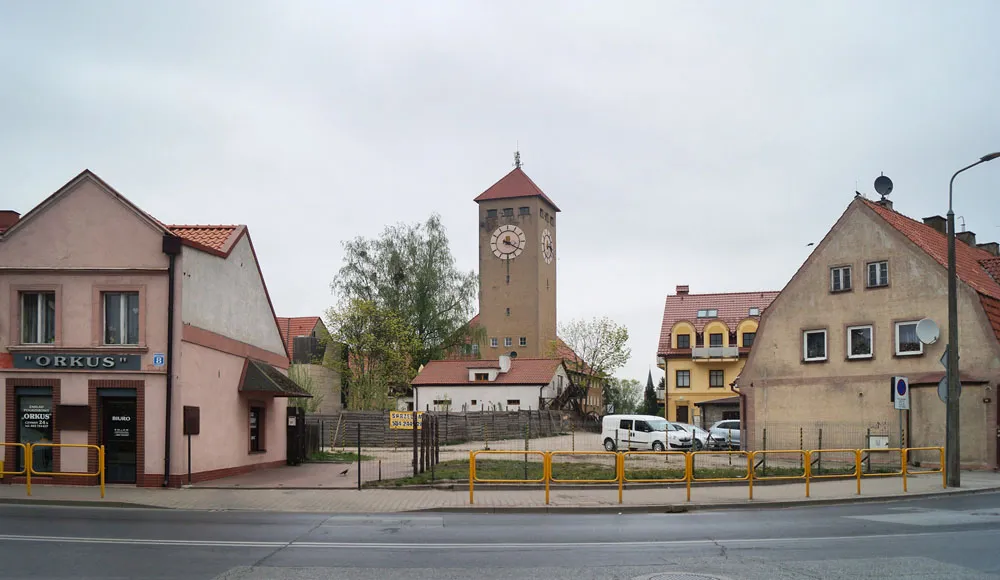
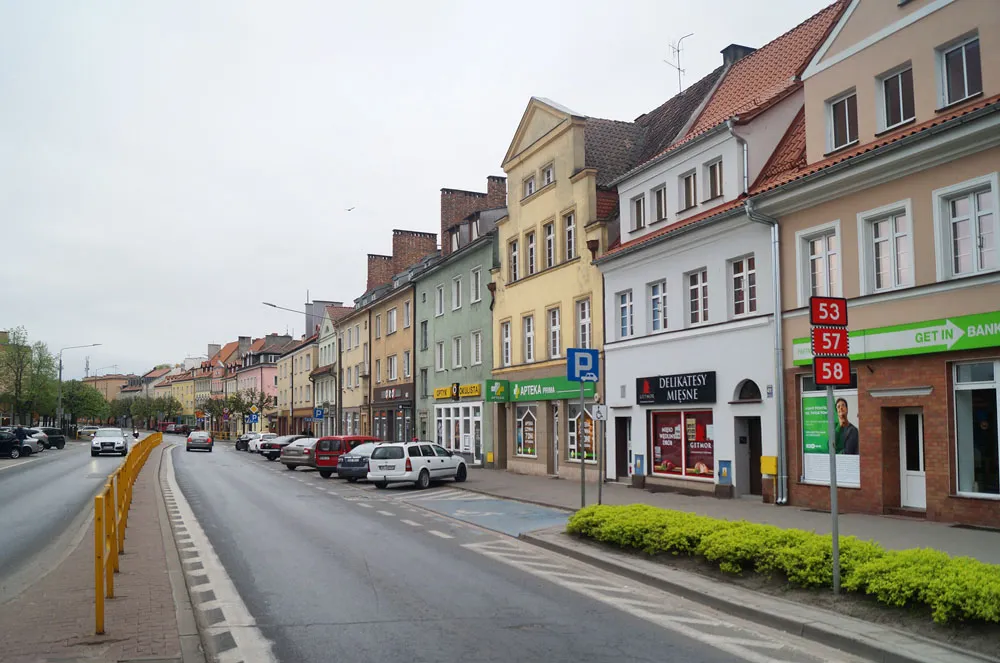
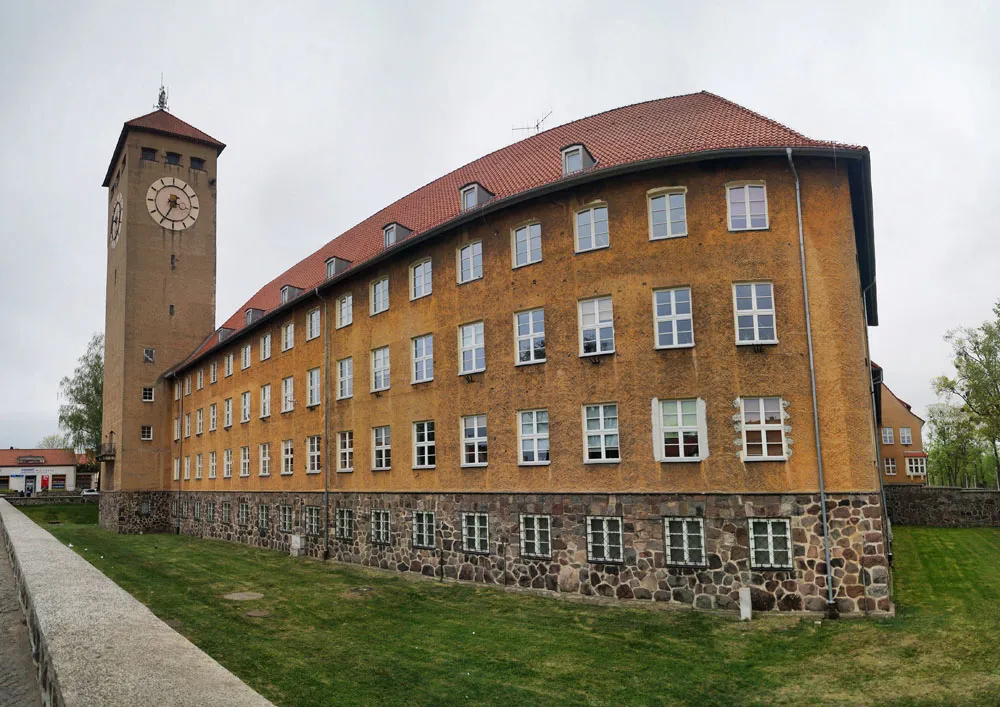
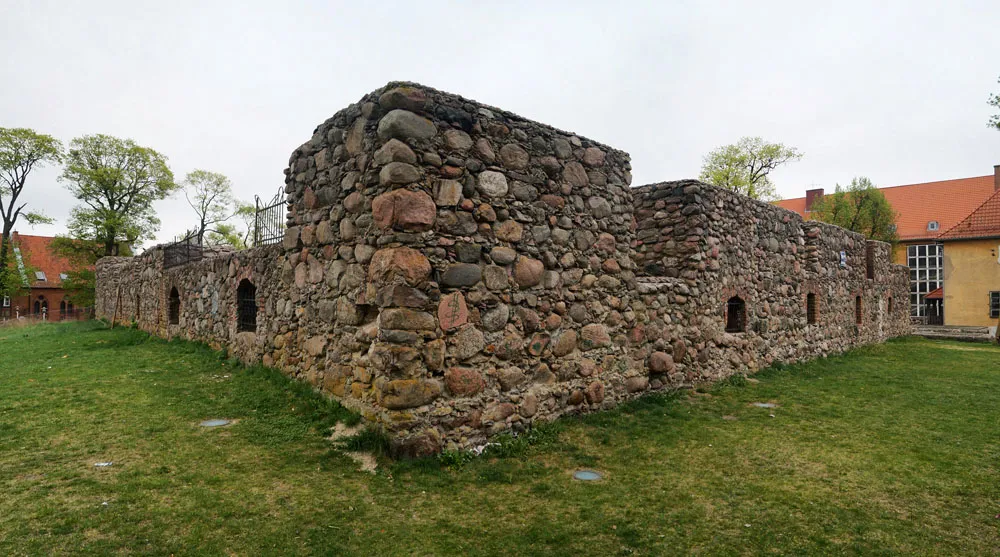
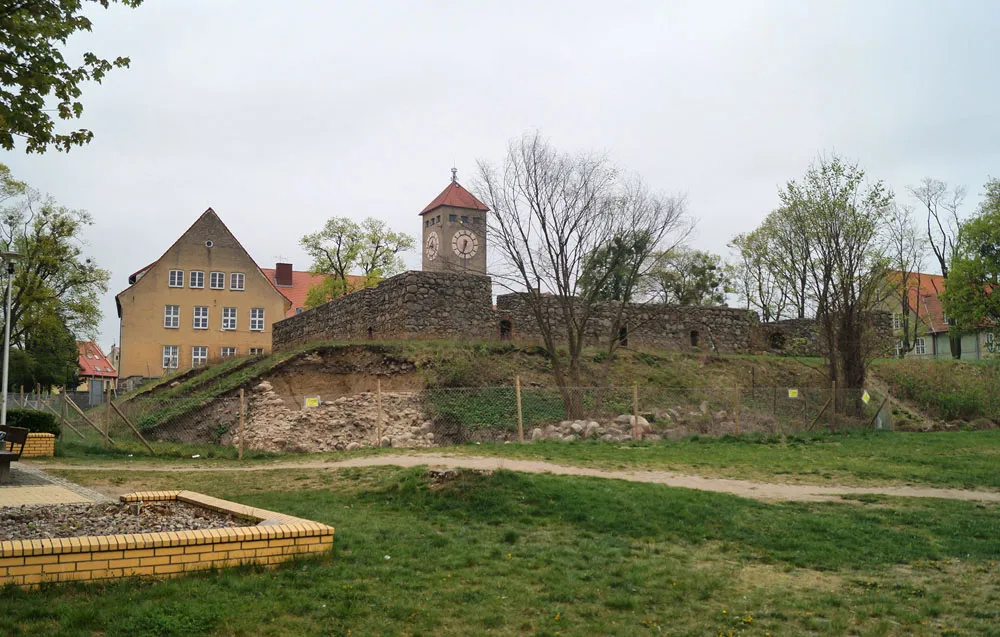
Szczytno as a town is first mentioned in 1360, when the Teutonic Knights built a wooden castle on the site of an old watchtower. This fortification did not last even ten years: in 1370 it was burned down by the Grand Duke of Lithuania Kęstutis, son of Gediminas. The Teutonic Knights, however, built a new, stone castle in its place. And it is the ruins of that castle, conserved, that we see today.
There were several periods when the town was held by Poles, and after 1945 it passed to Poland for good.
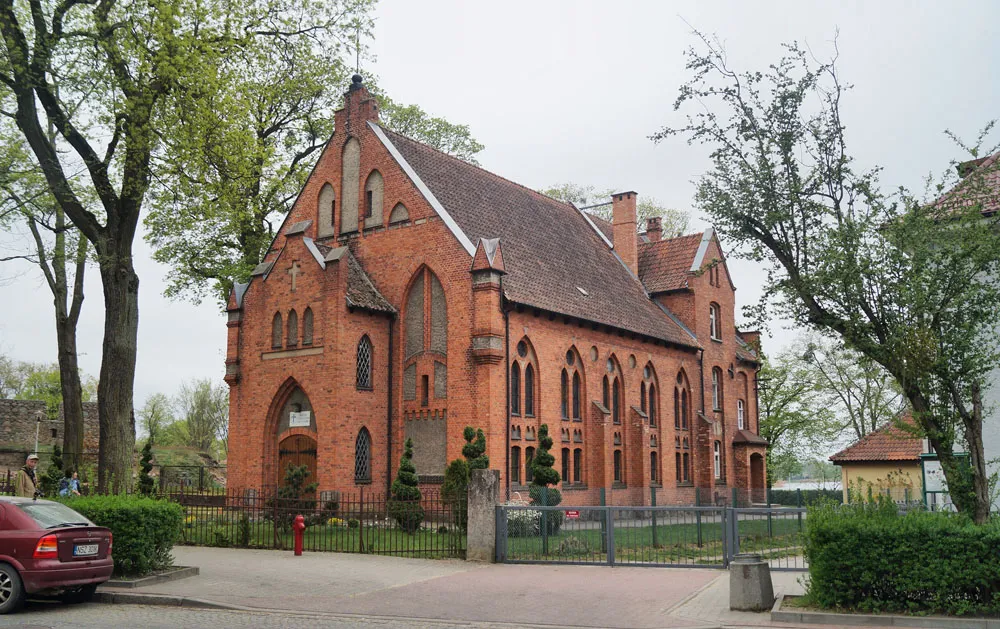
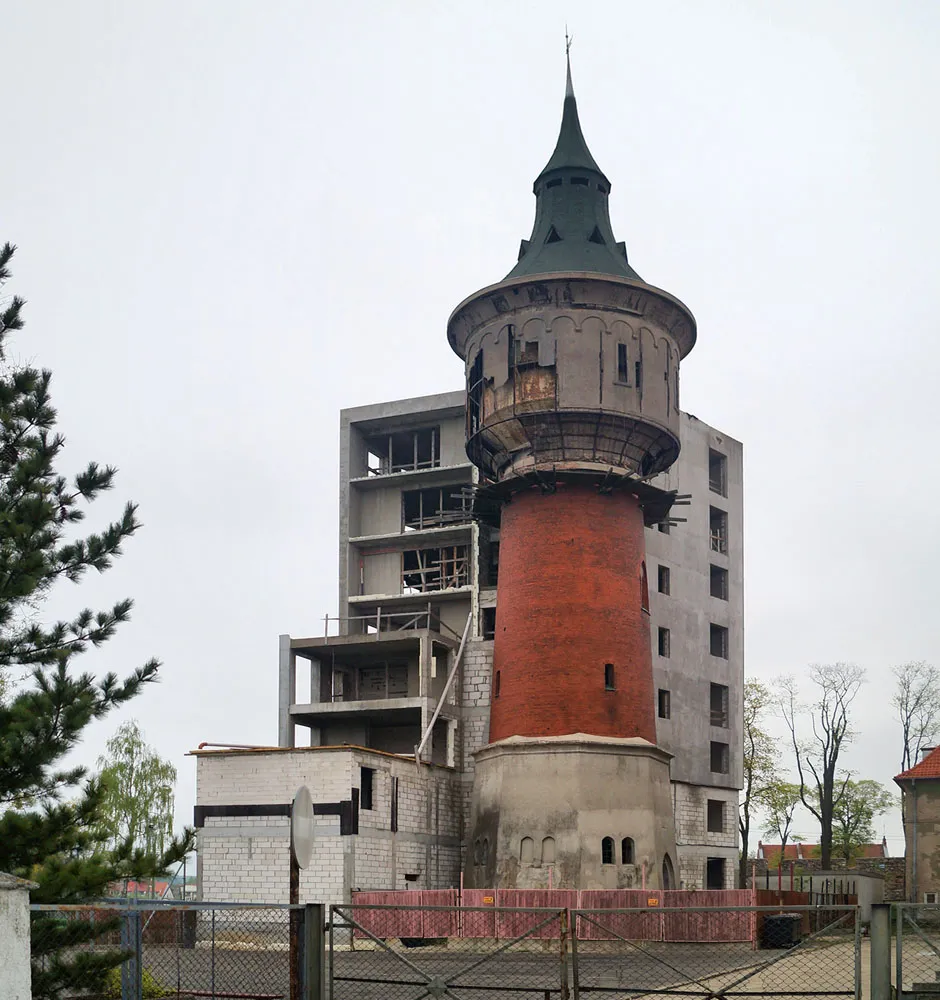
Szczytno’s tall landmarks are the town hall tower and a large German water tower, very beautiful and original. The town hall was built in 1937 and now houses a museum. Among the interesting buildings are the Baroque Evangelical Augsburg church, built in 1718, the Neo-Gothic Roman Catholic Church of the Virgin Mary, built in 1897–1899, and the Neo-Gothic Baptist church built in 1903.
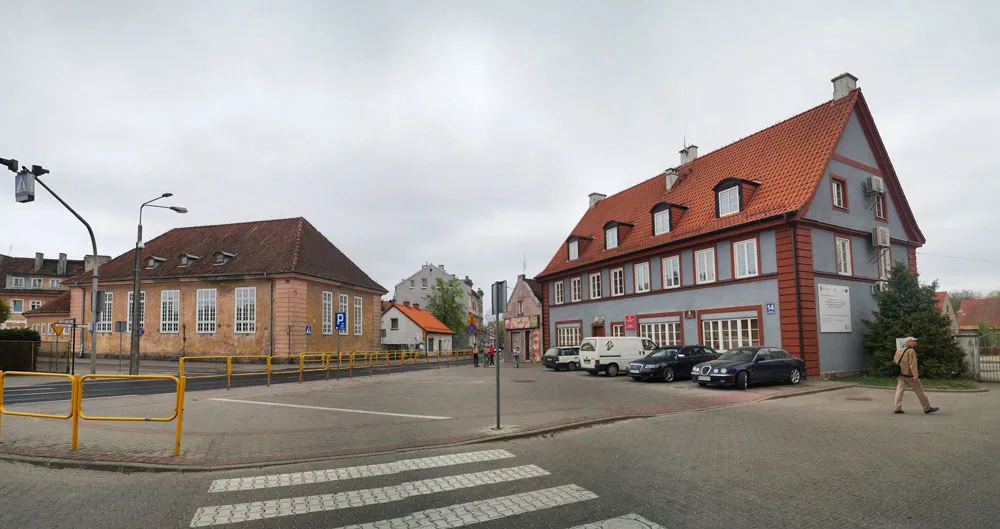
Szczytno’s buildings suffered considerably during the First World War. The destroyed houses were rebuilt in the interwar period. During the Second World War about 45% of Szczytno’s buildings were destroyed and were never rebuilt, so today there is no continuous complex of old German houses, but there is still plenty to see.
Text and photos by Roman Malenkov.